


In the realm of science fiction, we’ve often marveled at the idea of bionic limbs, envisioning a future where individuals can seamlessly integrate advanced prosthetics into their bodies, enhancing both form and function. While we’re not quite at the level of the Six Million Dollar Man or the Bionic Woman just yet, significant strides in prosthetic technology have brought us closer than ever to realizing this futuristic vision. As we peer into the horizon of medical innovation, it’s evident that the future of prosthetic limbs holds tremendous promise, offering hope, mobility, and a renewed sense of normalcy for those in need.
Advancements in materials science, robotics, neurotechnology, and artificial intelligence are driving a revolution in prosthetics, transforming what was once merely functional replacements into sophisticated, lifelike extensions of the human body. Here’s a glimpse into what the future may hold:
- Biomechanical Precision: Future prosthetic limbs will likely be engineered with unparalleled biomechanical precision, mimicking the intricate movements and dexterity of natural limbs. Utilizing advanced materials such as carbon fiber and titanium alloys, these prosthetics will be lightweight, durable, and capable of withstanding the rigors of daily life.
- Neural Integration: One of the most exciting frontiers in prosthetics is the integration of neural interfaces, allowing for seamless communication between the brain and the prosthetic limb. Through techniques such as brain-computer interfaces (BCIs) and nerve reinnervation, users will be able to control their prosthetics with unprecedented precision, simply by thinking about the desired movements.
- Sensory Feedback: In addition to motor control, future prosthetic limbs will offer sensory feedback, enabling users to experience touch, pressure, and temperature just like their biological counterparts. This breakthrough technology, known as sensory feedback systems, relies on advanced sensors and actuators to relay tactile information from the prosthetic to the user’s brain, enhancing their sense of embodiment and connection to the limb.
- Customization and Personalization: With the advent of 3D printing and personalized medicine, prosthetic limbs will be increasingly tailored to meet the unique needs and preferences of each individual. From aesthetic designs to functional features, users will have the opportunity to customize their prosthetics to reflect their personality and lifestyle, fostering a sense of ownership and empowerment.
- Regenerative Medicine: Looking even further ahead, regenerative medicine holds the potential to revolutionize the field of prosthetics by enabling the growth of biological tissues and organs. Scientists are exploring techniques such as tissue engineering, stem cell therapy, and gene editing to regenerate damaged or missing limbs, offering a truly transformative solution for amputees.
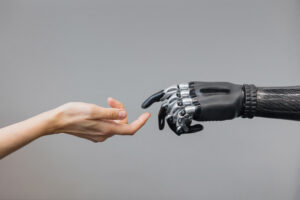 While the future of prosthetic limbs holds immense promise, it’s essential to acknowledge the challenges and ethical considerations that accompany these advancements. Issues such as accessibility, affordability, and the equitable distribution of technology must be addressed to ensure that these innovations benefit everyone, regardless of socioeconomic status or geographic location.
The future of prosthetic limbs is a testament to the boundless potential of human ingenuity and compassion. As we continue to push the boundaries of science and technology, we inch closer to a world where disability is no longer a barrier but rather an opportunity for innovation and empowerment. By embracing the bionic era, we can pave the way for a future where individuals with limb differences can thrive, achieve, and inspire us all. Consult with a certified prosthetist to explore the best prosthetic options tailored to your specific needs and lifestyle.