


 Amputee pain management, during and after the amputation, is crucial for the patient’s comfort and recovery. Here are some strategies commonly used:
- Medications: Pain medications prescribed by your healthcare provider can help alleviate discomfort. These may include opioids for severe pain, nonsteroidal anti-inflammatory drugs (NSAIDs) for inflammation, and other medications such as acetaminophen.
- Nerve blocks: Regional anesthesia techniques, such as nerve blocks, can provide targeted pain relief to the specific area undergoing amputation. These blocks can be performed before or during surgery and can provide significant pain relief post-operatively.
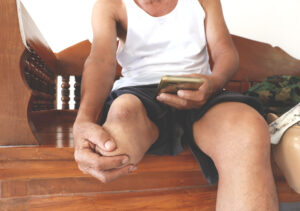 Physical therapy: Physical therapy is essential for rehabilitation after an amputation. A physical therapist can teach you exercises to strengthen your remaining muscles, improve mobility, and reduce pain.
- Psychological support: Dealing with the loss of a limb can be emotionally challenging. Counseling or support groups can provide valuable emotional support, coping strategies, and help manage any psychological distress associated with the amputation, which can indirectly help manage pain.
- Transcutaneous electrical nerve stimulation (TENS): TENS therapy involves applying low-voltage electrical currents to the skin, which can help alleviate pain by interrupting or modulating pain signals sent to the brain.
- Acupuncture: Some people find relief from pain through acupuncture, a traditional Chinese medicine technique involving the insertion of thin needles into specific points on the body.
- Heat and cold therapy: Applying heat or cold packs to the affected area can help reduce pain and inflammation. Heat can relax muscles and improve blood flow, while cold can numb the area and reduce swelling.
- Biofeedback: Biofeedback techniques can help you learn how to control physiological responses to pain, such as muscle tension and heart rate, using relaxation techniques.
- Massage therapy: Massage can help reduce muscle tension, improve circulation, and alleviate pain. However, it’s essential to work with a therapist experienced in working with amputees to avoid causing harm.
- Prosthetics: Once healed, the proper fitting and use of prosthetic devices can help distribute weight more evenly, improve mobility, and reduce strain on the remaining limbs, potentially reducing long-term pain.
It’s essential to work closely with your healthcare team to develop a personalized amputee pain management plan tailored to your specific needs and preferences. This plan may evolve over time as you progress through the stages of recovery and rehabilitation.