


Limb loss changes more than mobility. It changes how a person sees themselves, how they interact with the world, and how they imagine their future. While prosthetic technology focuses on restoring movement, emotional recovery is just as important in rebuilding confidence and independence.
The emotional journey after amputation is personal, unpredictable, and completely normal.
Processing Loss and Change
Amputation often comes with a sense of grief. People may mourn the loss of a limb, previous abilities, or a sense of control over their body. Even when surgery improves health or saves a life, emotional adjustment still takes time.
Common feelings include frustration, sadness, anger, fear, and uncertainty. These emotions may come in waves rather than a straight line. Some days feel strong and hopeful, while others feel heavy and discouraging.
Acknowledging these feelings rather than suppressing them is a healthy part of healing.
Identity and Self-Image
Body image can shift after limb loss. People may feel self-conscious in public, uncertain about how others perceive them, or uncomfortable with visible differences. Clothing choices, social interactions, and daily routines may feel unfamiliar at first.
Over time, confidence often grows as individuals become more comfortable with their prosthesis and their abilities. Rebuilding identity means recognizing that strength, personality, and character remain unchanged, even when the body looks different.
Fear, Trust, and Regaining Independence
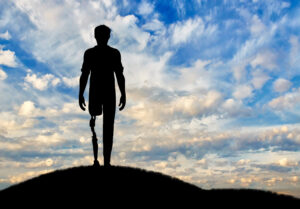 Learning to trust the body again takes time. Fear of falling, fear of failure, and fear of injury are common early on. These fears can limit progress if not addressed.
Structured rehabilitation, gradual exposure to real-world environments, and consistent support help rebuild trust. Each small success reinforces confidence and independence.
Confidence is not built in one big moment. It grows through repetition and persistence.
The Power of Peer Support
Connecting with others who have experienced limb loss can be incredibly powerful. Peer support provides understanding that cannot always be explained in clinical terms. Seeing others live active, fulfilling lives helps normalize challenges and creates realistic hope.
Support groups, community events, and informal connections allow people to share strategies, encouragement, and perspective.
No one should have to navigate this journey alone.
Family and Social Support
Family members and caregivers also experience adjustment. Open communication helps align expectations, reduce frustration, and build mutual understanding.
Encouragement, patience, and respectful independence create a healthier recovery environment. Loved ones play a key role in emotional stability and motivation.
Professional Mental Health Support
Some individuals benefit from speaking with counselors, psychologists, or social workers who specialize in medical or trauma-related adjustment. Seeking professional support is not a sign of weakness. It is a proactive step toward long-term emotional health.
Mental resilience directly affects physical outcomes, motivation, and quality of life.
Rebuilding Confidence Over Time
Confidence grows through consistent action. Setting achievable goals, celebrating progress, staying active, and maintaining routines all contribute to emotional stability.
Many individuals discover new strengths, perspectives, and purpose through their recovery journey. Challenges often shape resilience and self-belief.
Final Thoughts
Limb loss affects the whole person, not just the body. Emotional recovery and confidence building are essential components of long-term success with a prosthesis.
With support, patience, and persistence, most individuals regain not only mobility but also confidence, independence, and a renewed sense of possibility.
If you or a loved one is navigating the emotional side of limb loss, reaching out to a supportive care team and community resources can make a meaningful difference.